Cuban Bakery Aurora CO: A Fresh Take on Timeless Recipes
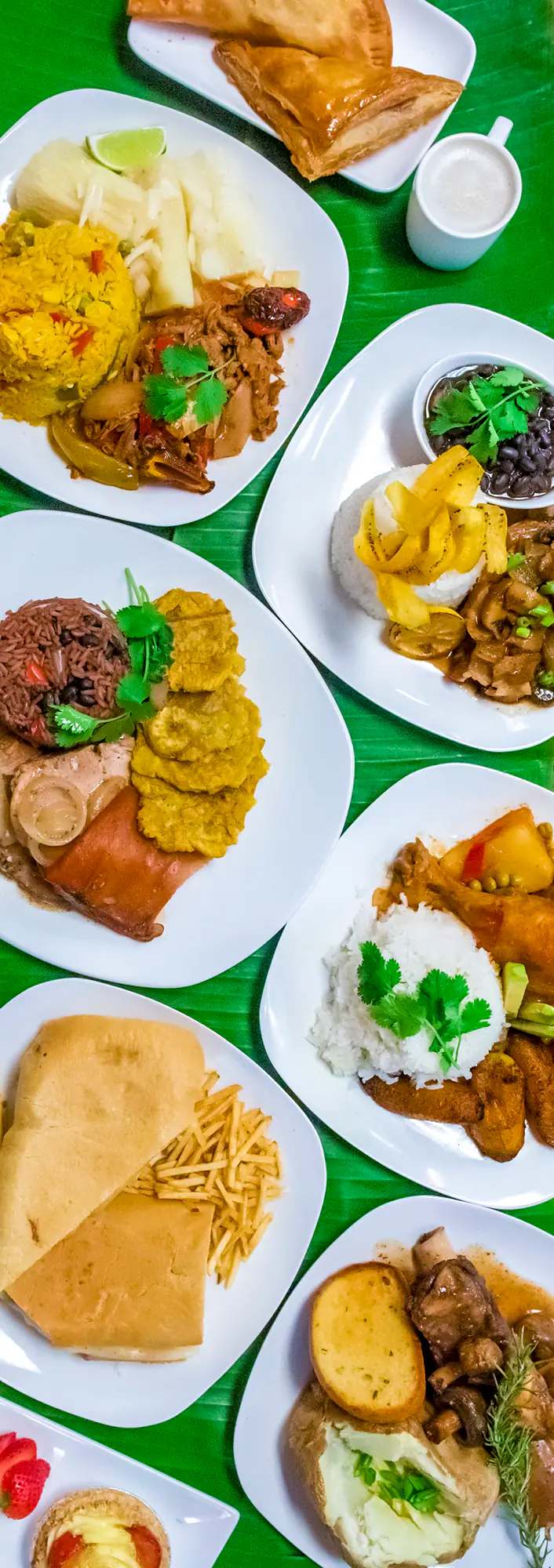
Aurora is the kind of city where food traditions do not sit still. They travel, settle in, adapt to altitude, meet new neighbors, and pick up local habits without losing their accent. That is exactly what makes the idea of a Cuban bakery Aurora CO so interesting. A Cuban bakery is never just a place to buy bread. It is part café, part neighborhood meeting point, part memory keeper. It carries recipes that were built for daily life, not for trends, and that matters.
When a bakery handles Cuban baking well, the first thing you notice is balance. Sweet pastries do not feel cloying. Savory items are rich, but not heavy for the sake of it. Bread has structure and tenderness at the same time. Coffee is not an accessory. It is part of the meal, part of the rhythm, and often part of the reason people come in at all.
In Aurora, that experience takes on another layer. Diners here are used to variety. They know the difference between a place that simply borrows a few Latin flavors and one that respects a tradition enough to learn its details. A strong Cuban bakery does more than display pastelitos in a case. It understands why those pastries matter, how the dough should behave, what a good croqueta feels like when it breaks apart, and how a proper café con leche rounds out the entire visit.
What makes a Cuban bakery distinct
A Cuban bakery sits in a category of its own because it bridges European technique, Caribbean flavor, and immigrant practicality. You see echoes of Spanish baking, traces of French influence in laminated dough, and the unmistakable warmth of Cuban home cooking. But the finished product is its own thing. It is not trying to imitate Paris or Madrid. It is trying to feed people well, quickly, and memorably.
The pastry case usually tells the story best. Guava is often front and center, sometimes alone, sometimes paired with cream cheese. Coconut appears in ways that feel direct and honest rather than overly refined. Puff pastry matters, but so do sturdier doughs and enriched breads made for sandwiches and breakfast trays. Then there are the savory staples, especially croquetas, meat-filled pastries, and pressed sandwiches that move effortlessly from morning coffee break to late lunch.
One mistake people make is assuming Cuban bakery food is all indulgence and nostalgia. In practice, the best examples are surprisingly disciplined. Fillings should be generous, but not sloppy. Sweetness should be calibrated. Bread should hold up to pressed meats, cheese, pickles, and mustard without turning dense or dry. The skill is in restraint just as much as abundance.
Why Aurora is a strong home for Cuban baking
Aurora rewards places that can serve different kinds of customers well. One table wants a fast breakfast before work. Another is meeting family for pastries and coffee. Someone else is grabbing a box to bring back to the office. Cuban bakeries are built for exactly that kind of traffic. Their menus tend to be broad without feeling scattered, and many items travel well.
There is also a practical culinary reason this tradition works in Colorado. Cuban bakery menus cover a lot of ground. They offer breakfast, snacks, desserts, and lunch in a format that is approachable even to people who are unfamiliar with the cuisine. You do not need a long explanation to enjoy a flaky guava pastry or a hot pressed sandwich. At the same time, those who grew up with these foods can judge the details and know immediately whether the bakery takes its craft seriously.
Aurora diners also tend to appreciate authenticity without demanding museum-style purity. That is healthy. Any bakery operating here has to account for local ingredients, customer habits, labor realities, and the quirks of baking at altitude. The point is not to freeze Cuban baking in time. The point is to preserve its character while making it work beautifully in a new place.
The classics that define the experience
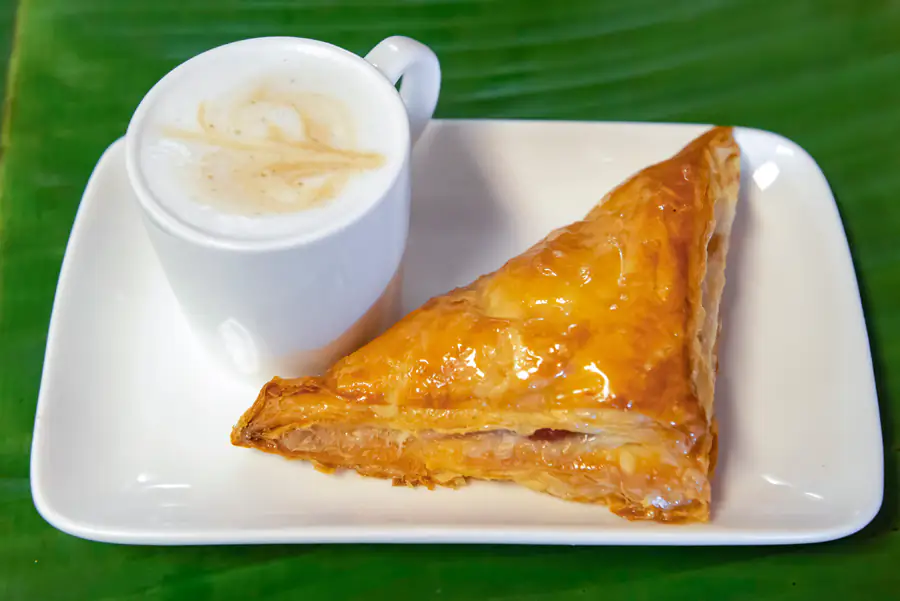
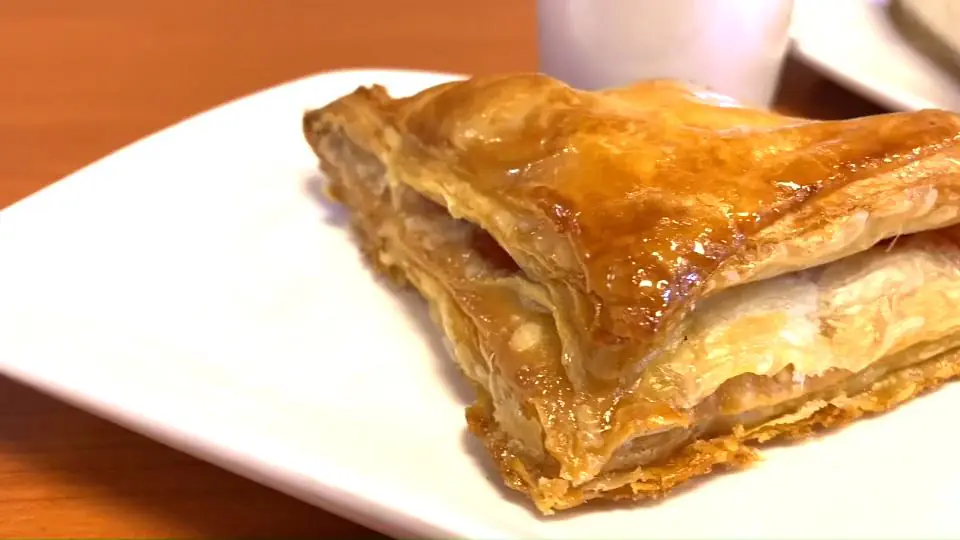
If you walk into a Cuban bakery and want to understand its quality quickly, start with a few standards. Pastelitos are often the easiest read on technique. A guava pastelito should have crisp, delicate layers with enough lift to shatter slightly when bitten. The filling should taste like fruit, not just sugar. If cream cheese is involved, it should soften the sweetness rather than disappear beneath it.
Croquetas reveal another side of the kitchen. These are easy to underestimate and even easier to ruin. A good croqueta has a fine crumb coating that fries cleanly, not greasy or dark. The interior should be smooth and savory, usually ham-based, with enough seasoning to stay interesting without becoming salty. The best ones seem simple until you try a bad version somewhere else.
Then there is Cuban bread, which deserves more attention than it often gets. The loaf needs a thin crust and a tender interior with enough structure to press well for sandwiches. If the bread is wrong, everything built on it suffers. A mediocre loaf turns a Cuban sandwich into a good idea with poor execution. A proper loaf makes the same sandwich vivid, crisp, and deeply satisfying.
Bread matters so much because many customers judge a bakery through lunch. They may come in for pastries, but they return because the sandwich program is solid. That usually means pressed sandwiches with distinct layers, roast pork that still tastes like itself after pressing, ham that adds savor rather than bulk, Swiss cheese that melts properly, and mustard and pickles used with confidence.
Fresh takes that still respect the old recipes
The most successful bakeries do not confuse innovation with novelty. They know the recipes have survived for a reason. Still, a bakery in Aurora should not feel like a copy of a shop in Miami, Tampa, or Havana transplanted without thought. Climate, ingredients, and customer preferences shape the final product.
A fresh take might show up in seasonal fruit pastries that still honor the structure of a classic pastelito. It might mean a more carefully sourced coffee program, better butter, or a stronger emphasis on small-batch baking throughout the day. It could even mean offering a breakfast sandwich that uses Cuban bread and traditional fillings but adapts portion size and pace for a local morning commute.
Altitude can quietly reshape bakery work as well. Dough hydration, proofing time, and baking behavior can all shift in Colorado. Experienced bakers know that formulas are not sacred if the environment has changed. The goal is consistency in outcome, not blind loyalty to a printed recipe. If a bakery in Aurora gets that right, customers feel it even if they cannot name the technical decisions behind it.
That is where professional judgment comes in. You can preserve the identity of a recipe while making smart adjustments to method. In fact, that is often the only way to honor it honestly in a different region.
The role of coffee in the bakery
A Cuban bakery without strong coffee feels unfinished. Coffee is not decoration in this setting. It is architecture. It supports the sweetness of pastries, sharpens savory foods, and gives the whole visit its rhythm. If the bakery serves café Cubano, café con leche, cortaditos, or similar coffee drinks with care, the experience becomes cohesive.
The flavor profile matters. Cuban-style coffee is often intense, sweetened, and served in smaller portions than standard American drip coffee. That sweetness is not an accident. It creates contrast. Pair it with a flaky guava pastry and the fruit comes forward differently. Pair it with a croqueta and you get a savory-sweet exchange that makes both items more interesting.
This is one of those details that separates a true bakery culture from a place that simply stocks pastries. In many Cuban communities, coffee is social glue. It marks pauses in the day. It creates reasons to linger. It is offered, shared, discussed, and expected. A Cuban bakery Aurora CO can feel local and modern while still preserving that ritual, and customers respond to it even if they did not grow up with it.
How to tell if a Cuban bakery is doing it right
Not every pastry case tells the truth at first glance. Plenty of places can look appealing under warm lights. The better test is how the food performs in your hands and on your palate.
Here are a few reliable signs of quality:
- The pastries feel crisp and light, not damp from sitting too long in a case.
- Guava, cheese, coconut, and meat fillings taste distinct rather than generically sweet or salty.
- Fried items such as croquetas are clean and delicate, not oily or heavy.
- The bread has resilience and tenderness, especially if it is used for pressed sandwiches.
- Coffee tastes intentional, not like an afterthought added to complete the menu.
These are small things, but together they reveal the bakery’s priorities. A place that gets these details right usually gets the larger experience right too.
Tradition is more technical than it looks
People often use the word traditional as if it means simple. In baking, that is rarely true. Traditional recipes endure because they solve problems elegantly. They satisfy hunger, use ingredients efficiently, travel well, and create emotional connection. To reproduce them consistently takes precision.
Take laminated dough. Many Cuban pastries rely on doughs that need careful handling. Too warm, and you lose definition. Too cold, and shaping becomes awkward. Bake too fast, and the outside browns before the inner layers fully expand. Bake too slowly, and butter leaks, texture fades, and the final pastry eats flat. None of that is dramatic in theory. All of it is obvious when you bite into the result.
Savory production has its own challenges. Roast pork for sandwiches has to stay moist. Ham must complement rather than dominate. Press timing matters. A rushed sandwich can emerge warm but not integrated. A properly pressed one becomes a single composed object, crisp outside, molten in the center, every layer carrying its share of the flavor.
That is why a good Cuban bakery often feels calm even during a rush. Good systems are doing the work. Dough has been rested properly. Coffee service is organized. Hot items move out at the right pace. Staff know which products are best fresh and which hold for a little while. Customers may only see a fast transaction. The craft is hidden in the consistency.
What first-time visitors should order
If you are new to the category, the smartest move is to build a small, representative order rather than choosing just one large item. That gives you a read on both sweet and savory execution.
A practical first visit could look like this:
- One guava or guava-and-cheese pastelito
- One croqueta
- One pressed Cuban sandwich or a half portion if available
- One coffee drink, ideally café con leche or café Cubano
- One extra pastry to take home, often something coconut-based or fruit-forward
That lineup is enough to show you the bakery’s range. You get pastry lamination, frying quality, bread quality, sandwich assembly, and coffee competence in a single visit. It is a useful way to judge whether the place is built for repeat business or mainly for novelty.
The neighborhood value of a bakery like this
A true neighborhood bakery creates habits. It becomes the place where someone picks up breakfast after dropping off the kids, where construction crews stop for coffee and pastries, where an office manager buys two dozen mixed items for a morning meeting, and where families order trays for birthdays or holidays. Cuban bakeries are especially good at this because their menus invite repeat visits. You can come in three times in a week and have a different experience each time without leaving the bakery’s identity behind.
That matters in Aurora, where communities overlap and food businesses often serve several audiences at once. A bakery like this can be a point of entry for people exploring Cuban flavors and a point of continuity for those who already know them well. Done right, it does not water itself down to appeal broadly. It simply presents the food with enough integrity and warmth that people meet it halfway.
There is also something important about price and accessibility. Bakery food, at its best, is democratic. You do not need a reservation or a special occasion. You can walk in for one pastry and a coffee, spend a modest amount, and still leave feeling that you had something crafted with skill. That remains one of the strongest qualities of the format.
Where freshness really shows up
The word fresh gets overused in food writing, but in a bakery it has specific meanings. Freshness is audible in the crackle of pastry. It is visible in a sandwich loaf that compresses properly under the press without turning brittle. It is aromatic in coffee that smells alive rather than stale. It is textural in a croqueta shell that breaks neatly and gives way to a smooth center.
Freshness also shows up in production choices. Better bakeries bake in waves when they can. They know a full case at opening https://maps.app.goo.gl/qEESBrYZVLYNG3Gw8 may look impressive, but quality through the afternoon matters just as much. Some products hold beautifully. Others do not. Managing that difference is part of the job. A bakery committed to quality would rather replenish intelligently than let every item decline at the same pace under display lights.
For customers, this means timing can matter. Midmorning often offers a sweet spot, enough of the day’s production is out, coffee service is in stride, and hot foods are usually moving. Earlier can be great for bread and breakfast pastries. Lunch is ideal for sandwiches. Late afternoon can still be rewarding if the bakery rotates well, though the most delicate items may not be at peak.
Why timeless recipes still win
Food trends move quickly, but bakery loyalty is slower and deeper. People return to recipes that make sense, that comfort without boring them, and that reward appetite rather than spectacle. Cuban baking has held on because it does all of that. It is grounded. It does not need elaborate explanation. A flaky pastry with guava and cream cheese works because it tastes good, because the contrast is clean, and because the proportions have been refined over generations.
That is the real promise behind a Cuban bakery Aurora CO. It is not simply about importing familiar items into a Colorado suburb. It is about proving that enduring recipes still have room to evolve without losing their soul. A bakery can respect tradition, adapt to local conditions, and still deliver the same essential pleasures: crisp pastry, solid bread, savory depth, proper coffee, and a sense that someone in the kitchen understands the difference between making food and carrying a food culture forward.
When that happens, customers do not just find a new place to eat. They find a place worth returning to, one pastry, one sandwich, and one cup of coffee at a time.
Cuba Bakery & Café
15028 E Mississippi Ave, Aurora, CO 80012
+1 303-752-2822
FAQ About Cuban bakery Aurora CO
What are Cuban pastries called?
Many small Cuban pastries are called pastelitos. They can have sweet or savory fillings, such as guava, cheese, guava and cheese, or seasoned meat. Cuba Bakery & Café lists guava, cheese, guava-and-cheese and beef pastries on its menu. Ask the bakery about current availability and ingredients when ordering.
What are traditional Cuban pastries?
Common Cuban bakery choices include flaky pastelitos filled with guava, cheese or meat. Cuban bakeries may also offer empanadas, breads and desserts alongside coffee. Cuba Bakery & Café lists pastelitos, several empanada fillings, pan Cubano and desserts such as tres leches and bread pudding. Selection can vary, so confirm the day's choices with the bakery.
What makes Cuban bread different?
Cuban bread is known for its light interior and a thin crust that becomes crisp when toasted or pressed. Traditional recipes often use lard, although ingredients vary by baker. It is commonly served as buttered toast or used for Cuban sandwiches. Cuba Bakery & Café lists pan Cubano and tostada on its menu; ask staff about the ingredients in their bread if you have dietary restrictions.